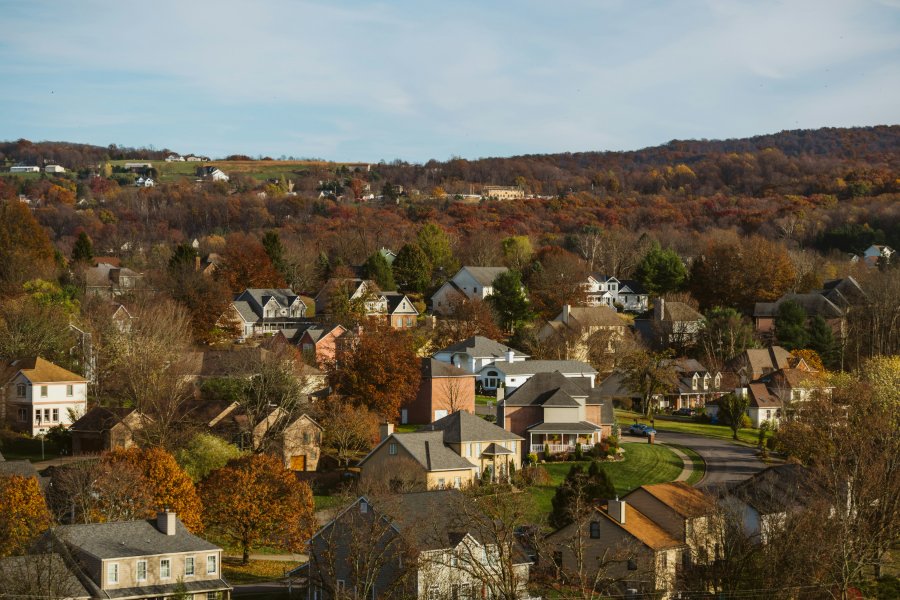
Strong communities depend on local governments that understand the people they serve. Residents experience the daily effects of municipal decisions through road conditions, public safety, recreational facilities, and essential services. Their experiences offer valuable insights that can guide community development and improve public programs.
Connecting neighborhood needs with municipal decision-making requires active listening, careful planning, and responsible leadership. Local officials must recognize different community priorities while balancing financial limitations and long-term goals. When residents and municipal leaders maintain productive relationships, they can develop practical solutions that strengthen neighborhoods and improve overall quality of life.
Understanding Neighborhood Concerns Through Direct Engagement
Municipal leaders gain valuable knowledge by interacting directly with residents. Neighborhood meetings, community events, and public discussions provide opportunities to understand local challenges. Residents can explain how traffic congestion, damaged sidewalks, limited recreational spaces, or inadequate street lighting affect their daily routines. These conversations help officials identify concerns that may receive limited attention during formal planning sessions. Direct engagement also allows leaders to understand the different circumstances that shape neighborhood priorities.
Listening to residents requires patience and genuine interest. Municipal officials should encourage participation from people of different ages, backgrounds, and economic circumstances. Some residents may face barriers that prevent them from attending traditional public meetings. Offering flexible communication options can make participation more accessible. A wider range of perspectives helps officials develop a clearer understanding of community conditions and make decisions that reflect actual neighborhood needs.
Turning Community Feedback Into Practical Policies
Collecting feedback represents an important first step in municipal decision-making. However, local governments must also transform that information into practical policies. Officials can review common concerns, examine available resources, and determine which improvements deserve immediate attention. This process helps municipal departments establish realistic objectives. It also encourages leaders to focus on solutions that address underlying problems rather than providing temporary responses that offer limited long-term benefits.
For example, repeated complaints about pedestrian safety may encourage officials to examine traffic patterns and existing infrastructure. They can consult transportation specialists, review relevant information, and consider appropriate improvements. Potential solutions might include additional crosswalks, improved lighting, or sidewalk repairs. Connecting resident feedback with professional assessments allows municipalities to develop informed responses. This approach creates a stronger relationship between community experiences and the policies that shape neighborhood conditions.
Bringing Frontline Public Service Experience Into Local Government
Professionals with frontline public service experience often understand neighborhood challenges from a practical perspective. Police officers, firefighters, and municipal employees regularly interact with residents and observe community conditions. Their experiences can provide useful insights into public safety, emergency access, infrastructure problems, and service limitations. Former frontline professionals who enter local government can contribute this knowledge during policy discussions and community planning sessions.
However, effective municipal leadership requires more than professional experience in one area. Officials must also understand public finance, economic development, transportation, and community planning. They should remain open to expert recommendations and different viewpoints. Combining frontline observations with reliable research and public feedback supports balanced decision-making. This broader perspective helps local governments recognize connections between different services and develop solutions that benefit residents across multiple neighborhoods.
Balancing Neighborhood Priorities With Municipal Budgets
Local governments must address numerous community needs while managing limited financial resources. Residents may request road repairs, park improvements, additional safety measures, or expanded public programs. Although these requests may have merit, municipalities cannot always fund every proposed improvement immediately. Responsible leadership requires evaluating expenses, identifying urgent priorities, and considering the long-term financial effects of public investments before making commitments.
Transparent budget discussions help residents understand these decisions. Municipal officials should explain how they allocate funds and why certain projects receive priority. Clear communication can reduce misunderstandings and encourage realistic expectations. Leaders should also consider whether planned investments will create lasting community benefits or require significant future maintenance. By balancing neighborhood priorities with financial responsibility, municipalities can protect public resources while continuing to improve essential services and community infrastructure.
Encouraging Collaboration Across Municipal Departments
Neighborhood challenges frequently involve responsibilities that extend across several municipal departments. A transportation concern may also affect emergency response, infrastructure maintenance, and accessibility. Addressing these issues requires cooperation among professionals with different responsibilities. Effective communication helps departments understand shared challenges and coordinate their efforts. This approach can reduce unnecessary expenses, prevent repeated work, and improve the overall quality of municipal services.
Collaboration should also extend beyond government departments. Local businesses, schools, nonprofit organizations, and neighborhood associations can contribute valuable knowledge and resources. Their involvement can help municipalities identify opportunities for community improvement. For instance, partnerships may support neighborhood cleanup programs, recreational activities, or public education initiatives. Strong working relationships allow different organizations to pursue common goals while recognizing their individual responsibilities. These partnerships can strengthen community connections and support practical solutions.
Building Public Trust Through Transparent Decisions
Residents are more likely to understand municipal decisions when officials explain their reasoning clearly. Transparency allows community members to learn how leaders evaluate proposals, establish priorities, and manage public resources. Providing accessible information also gives residents opportunities to ask questions and express concerns. These practices encourage meaningful participation while helping municipal officials remain accountable for their decisions and professional responsibilities.
Building public trust requires consistent follow-through. When officials announce neighborhood improvements, they should communicate progress and explain unexpected delays. Residents should have access to understandable information about project schedules, expenses, and expected outcomes. Leaders must also acknowledge mistakes and welcome constructive criticism. Maintaining open communication demonstrates respect for community members and encourages stronger relationships. Over time, these practices can help create a more cooperative environment between neighborhoods and municipal institutions.
Preparing Neighborhoods for Future Community Needs
Municipal decision-making must consider both present challenges and future developments. Population growth, changing economic conditions, and aging infrastructure can create additional demands on public services. Local governments should regularly assess neighborhood conditions and identify emerging concerns. Forward-thinking planning allows officials to prepare for these changes before they become more difficult or expensive to address. It also helps communities maintain dependable services as residents’ expectations evolve.
Long-term planning should include opportunities for continued public participation. Residents can provide useful perspectives on housing, transportation, recreation, and neighborhood development. Municipal leaders should combine these insights with professional assessments and realistic financial projections. Reviewing community programs regularly can help officials identify necessary adjustments and measure their effectiveness. Connecting neighborhood needs with municipal decision-making ultimately requires a lasting commitment to communication, cooperation, and accountability. By keeping residents involved throughout the planning process, local governments can develop more responsive policies, strengthen public institutions, and create welcoming communities that support current and future generations.