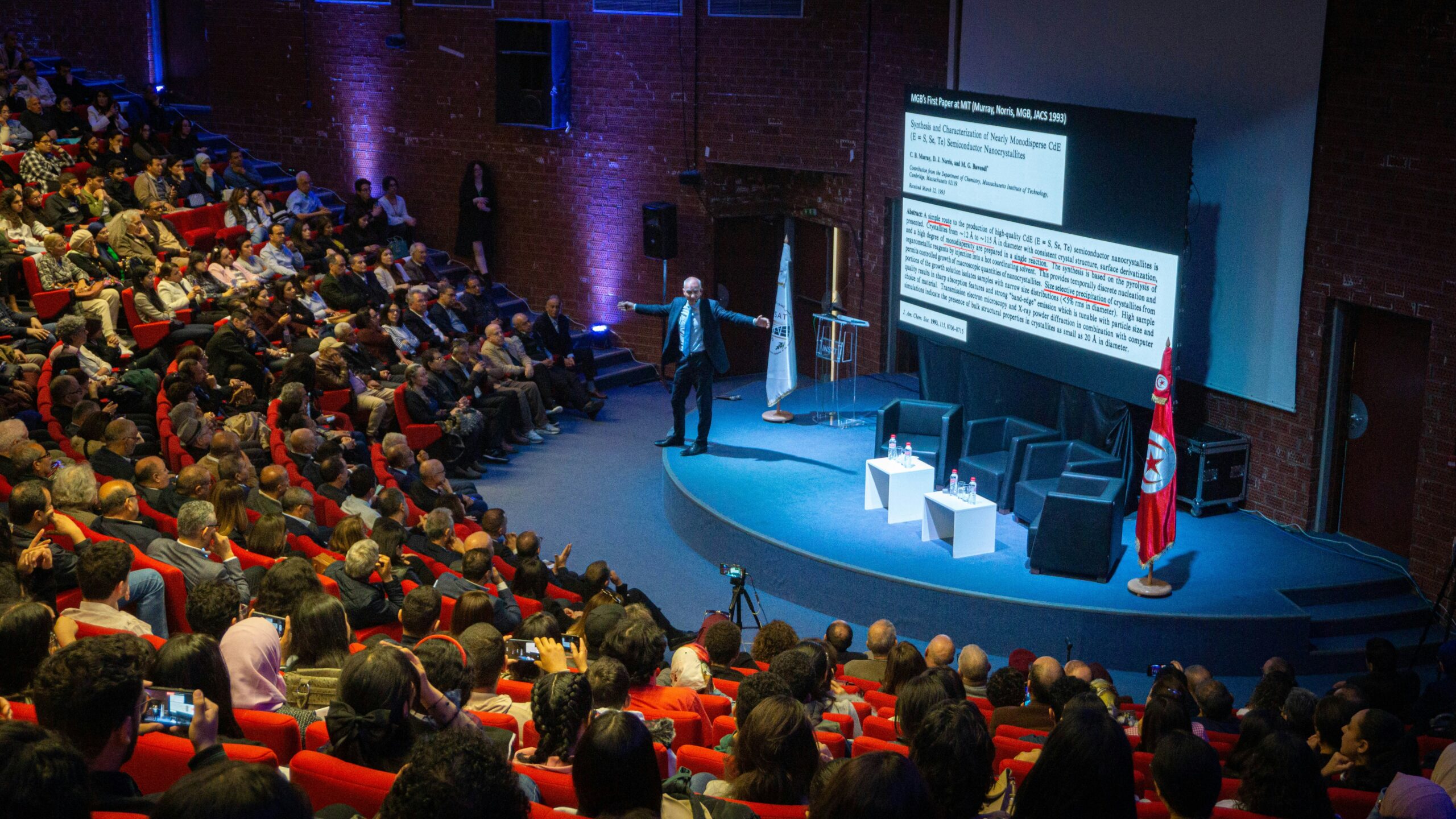
When a crisis occurs, people want answers, reassurance, and clear information. Whether an organization faces a public safety incident, a product failure, a financial problem, or a major service disruption, its response can shape public opinion. A press conference allows leaders to address concerns, explain what happened, and share plans for moving forward. However, every word spoken during this moment can influence public trust. Press conferences after a crisis are not simply media events; they are important opportunities to demonstrate honesty, responsibility, and leadership.
Why Press Conferences Matter During a Crisis
A crisis often creates confusion, fear, and uncertainty. People may hear conflicting reports or encounter unverified information on social media. A well-organized press conference can help reduce confusion by providing accurate updates directly from responsible representatives.
The way leaders communicate matters as much as the information they share. A calm voice, clear explanation, and respectful attitude can help people feel informed. In contrast, vague statements, defensive answers, or careless comments may increase public concern.
Journalists also play an important role by asking questions that reflect public concerns. Their questions can reveal missing information and encourage leaders to explain difficult decisions. When handled professionally, a press conference becomes a valuable communication channel during an uncertain time.
Choosing Words With Care and Accuracy
Every statement made during a crisis can be repeated, quoted, and shared across different platforms. A single sentence may become the main message people remember from an entire press conference. This makes careful word choice essential.
Leaders should avoid making promises they cannot guarantee. Saying that a problem will never happen again may sound reassuring, but it can damage credibility if another issue occurs. A more responsible statement explains the steps being taken to reduce future risks without offering unrealistic guarantees.
Accuracy is equally important. When facts remain unclear, speakers should acknowledge what they know and explain what still needs investigation. Admitting uncertainty is better than presenting guesses as facts. Clear, honest language helps prevent misunderstandings and protects an organization’s credibility.
Honesty Builds Public Trust
During a crisis, people expect leaders to tell the truth, even when the information is uncomfortable. Avoiding difficult questions or hiding important details can create suspicion and make the situation worse. Honest communication shows that an organization respects the people affected by the event.
Taking responsibility is another important part of building trust. If mistakes contributed to the crisis, leaders should acknowledge them instead of immediately blaming employees, partners, or outside circumstances. Accepting responsibility does not require making unsupported legal claims. It means recognizing known failures and explaining how the organization plans to address them.
An effective apology should be sincere, direct, and supported by action. Expressions of regret can help acknowledge the harm people have experienced, but words alone are not enough. People also need evidence that leaders are taking meaningful steps to correct the problem.
Body Language and Tone Send a Message
Communication involves more than spoken words. Facial expressions, posture, eye contact, and tone of voice can influence how audiences interpret a statement. A speaker who appears impatient or dismissive may weaken an otherwise accurate explanation.
During a press conference, leaders should remain composed without appearing cold or disconnected. Their tone should reflect the seriousness of the situation and show respect for those affected. Overly cheerful behavior may seem insensitive, while an aggressive response to journalists can create unnecessary conflict.
Natural delivery is often more effective than a memorized speech that sounds impersonal. Preparation matters, but speakers should stay attentive to the questions being asked. Listening carefully and responding thoughtfully demonstrate respect and help maintain a constructive conversation.
Preparing for Difficult Questions
Journalists may ask challenging questions about responsibility, safety, financial losses, or decisions made before the crisis. Leaders should expect these questions rather than treating them as personal attacks. Preparation helps speakers provide consistent answers while remaining open to legitimate concerns.
A strong crisis communication plan identifies confirmed facts, potential questions, and information that cannot yet be shared. Spokespeople should understand the limits of their knowledge and avoid speculating about unverified details. If they do not have an answer, they should explain why and, whenever possible, provide a realistic timeline for an update.
Preparation should not become an excuse to avoid accountability. Repeating scripted phrases without addressing the question can frustrate journalists and audiences. Direct answers, supported by evidence, are more likely to encourage confidence.
Social Media Makes Every Statement More Important
In the digital age, press conferences reach audiences far beyond the room where they take place. News organizations may publish short video clips, while social media users share individual comments without the surrounding explanation. As a result, even a minor wording mistake can attract widespread attention.
Organizations should consider how their statements may be understood when viewed independently. Simple language, consistent facts, and clear explanations can reduce confusion. After the press conference, communication teams should monitor public responses, correct inaccuracies, and provide additional details as needed.
Timely follow-up is essential because trust builds through repeated actions, not a single public appearance. Regular updates show that leaders remain engaged and are willing to communicate as new facts emerge.
Turning Crisis Communication Into Lasting Credibility
A press conference can influence how people remember a crisis and evaluate the response that follows. Leaders who communicate with honesty, empathy, and precision give the public a clearer understanding of the situation—those who rely on excuses, exaggerated promises, or unclear language risk creating further doubt.
The most effective crisis communication connects words with meaningful action. Clear explanations, sincere apologies, responsible answers, and consistent updates help organizations demonstrate that they take public concerns seriously. Ultimately, every word matters because people are not simply listening for information. They are looking for signs of honesty, accountability, and a genuine commitment to making things right.